
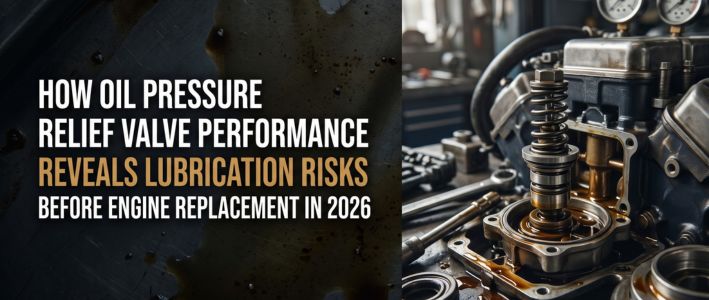
How Oil Pressure Relief Valve Performance Reveals Lubrication Risks Before Engine Replacement in 2026
An engine lubrication system depends on consistent oil pressure to protect moving components from excessive friction and heat. One important component responsible for regulating this pressure is the oil pressure relief valve. If the valve sticks, becomes restricted, or fails to operate correctly, the engine may experience lubrication problems that affect long-term reliability. Buyers comparing Used Engines should understand how relief valve condition can reveal potential mechanical risks before installation. Choosing used engines with warranty coverage and reviewing available inspection information can also help buyers make more confident purchasing decisions.
Understanding the Engine Oil Pressure Relief Valve
The oil pressure relief valve is designed to prevent excessive pressure from developing inside the engine lubrication system. It is commonly integrated into the oil pump or positioned within a related oil passage, depending on the engine design.
When oil pressure reaches a specified level, the valve opens to regulate pressure by redirecting or bypassing excess oil. A spring typically controls its operation, although the exact design varies between manufacturers.
The valve helps maintain oil pressure within the intended operating range. However, it does not independently guarantee adequate lubrication. Oil viscosity, pump condition, bearing clearances, oil filter performance, and engine temperature also influence lubrication system operation.
Understanding this component is useful when evaluating an engine’s mechanical condition before installation.
How Relief Valve Problems Affect Engine Lubrication
A malfunctioning relief valve can create different lubrication concerns depending on the nature of the fault.
1. Valve Stuck Open
If the valve remains open when it should close, some oil may bypass the intended pressure-regulation path. This can contribute to low oil pressure, particularly under certain operating conditions. Insufficient pressure may affect the oil supply reaching critical components such as crankshaft bearings and camshaft assemblies.
2. Valve Stuck Closed
A valve that cannot open when pressure becomes excessive may allow oil pressure to rise beyond the intended range. Excessive pressure can place additional stress on seals, filters, and other lubrication system components.
3. Spring Wear or Damage
A weakened, damaged, or incorrect relief valve spring can affect the pressure at which the valve operates. This may cause unstable or unsuitable oil pressure.
4. Contamination and Debris
Sludge, metal particles, or other contaminants can interfere with valve movement. Contamination may also indicate broader lubrication system maintenance problems that deserve investigation.
These conditions can affect engine reliability and should be evaluated using the manufacturer’s inspection procedures.
Why Oil Pressure Inspection Matters Before Engine Installation
When purchasing Used Engines, buyers should consider the condition of the lubrication system rather than relying only on mileage or exterior appearance.
A replacement engine may have experienced previous oil pressure problems that are not immediately visible. If the relief valve or oil pump is damaged, installing the engine without identifying the issue could lead to further mechanical complications.
A professional inspection may include:
- Checking available engine oil pressure test records.
- Inspecting the oil pump and pressure relief valve.
- Examining the oil filter for unusual metallic particles.
- Reviewing oil condition for contamination or sludge.
- Checking accessible lubrication passages for restrictions.
- Comparing relevant measurements with manufacturer specifications.
Oil pressure should be evaluated under the operating conditions specified by the engine manufacturer. A single pressure reading may not provide enough information to identify every lubrication problem.
Warning Signs of Oil Pressure Relief Valve Problems
Buyers and technicians should pay attention to symptoms that may indicate a lubrication system fault. Common warning signs include:
- Oil pressure warning light: This may indicate insufficient oil pressure, although sensor and wiring problems can also trigger the warning.
- Unusual engine knocking: Poor lubrication can contribute to bearing wear and abnormal mechanical noise.
- Unstable oil pressure readings: Pressure fluctuations may indicate a problem with the pump, relief valve, oil supply, or related components.
- Oil filter damage: Excessive pressure or other lubrication faults may affect filter performance.
- Metallic debris in engine oil: This can indicate internal wear and requires further investigation.
None of these symptoms confirms a faulty relief valve on its own. Proper diagnosis is necessary to identify the actual cause.
What Buyers Should Check When Comparing Used Engines
A reliable purchasing decision requires a broader assessment of the engine assembly. Before choosing Used Engines, request available information about previous maintenance, oil pressure performance, engine testing, and any reported lubrication issues.
Ask the supplier whether the oil pump and relief valve have been inspected. If the engine has been professionally tested or rebuilt, request relevant inspection documentation where available. Also verify engine identification, displacement, compatibility, mounting points, and electronic connections. Even a mechanically sound engine may require additional components or modifications if it is not the correct match for the vehicle.
If the engine’s internal condition is uncertain, an independent mechanic can help determine whether further inspection is necessary before installation.
How Warranty Coverage Supports Replacement Engine Purchases
Choosing used engines with warranty coverage can provide additional purchasing confidence, but the actual protection depends on the supplier’s written terms.
Buyers should review warranty duration, covered internal components, installation requirements, claim procedures, and exclusions. Particular attention should be given to lubrication-related failures.
Some warranties may exclude damage caused by insufficient oil, incorrect oil viscosity, contaminated lubrication systems, improper installation, or failure to follow maintenance requirements.
Before installation, technicians should inspect the vehicle’s existing oil cooler, oil lines, filter housing, and related components where applicable. Contamination left in these parts may affect the replacement engine.
Following the manufacturer’s recommended oil type, pressure checks, and installation procedures helps reduce preventable lubrication problems.
Final Thoughts
The engine oil pressure relief valve plays an important role in maintaining suitable lubrication pressure and protecting internal components. A sticking valve, damaged spring, or contamination can contribute to lubrication problems that may affect replacement engine reliability.
Buyers evaluating Used Engines should review available oil pressure information and consider professional inspection of the pump and relief valve before installation. Selecting used engines with warranty coverage can offer additional confidence when the written terms are clearly understood. Combining proper compatibility checks, lubrication system inspection, and correct installation practices helps reduce avoidable engine risks.