
How Digital Vehicle Part Identification Is Making Automotive Component Selection Faster and More Accurate in 2026
Selecting the correct automotive component has traditionally required careful comparison of vehicle specifications, part numbers, model years, engine configurations, and manufacturer references. A small mismatch can result in installation delays, additional costs, and compatibility problems.
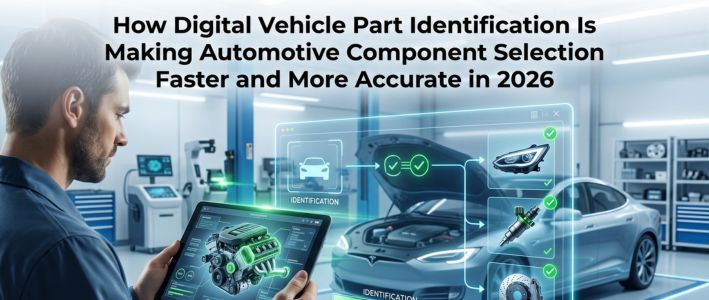
In 2026, digital vehicle part identification technology is making this process faster and more accurate. Modern identification systems can combine vehicle information, identification numbers, digital catalogs, component databases, images, and compatibility data to help buyers and automotive professionals identify suitable parts more efficiently.
This technology is particularly useful when sourcing replacement powertrain components. Customers searching for quality used engines or affordable used engines can use digital identification tools to narrow their options and reduce the risk of selecting an incompatible component.
What Is Digital Vehicle Part Identification?
Digital vehicle part identification refers to technologies that help determine the correct automotive component using electronically available vehicle and part information.
These systems may use:
- Vehicle identification numbers
- Engine codes
- Manufacturer part numbers
- Vehicle make and model
- Model year
- Digital catalogs
- Component images
- Compatibility databases
Instead of manually searching through multiple catalogs, users can enter specific vehicle information and receive potentially compatible component options.
Why Accurate Part Identification Matters
Modern vehicles can have multiple variations within the same model. Differences may exist because of:
- Engine size
- Production year
- Transmission type
- Trim level
- Emissions configuration
- Drive system
- Regional specifications
A component that fits one version may not work correctly with another. Accurate digital identification helps reduce these compatibility risks.
VIN-Based Identification
The Vehicle Identification Number, commonly known as VIN, provides detailed information about a specific vehicle.
Digital systems can use VIN-related information to identify characteristics such as:
- Vehicle model
- Production year
- Engine configuration
- Factory specifications
- Drivetrain information
VIN-based identification can be particularly useful when customers are unsure about the exact configuration of their vehicle.
Digital Part Number Matching
Part numbers provide another important identification method.
A digital catalog can compare a requested part number against available inventory and compatibility records.
This can help users determine:
- Whether the component matches
- Whether an updated part number exists
- Alternatives are available
- Whether a used component may be suitable
Part-number verification is particularly valuable for components where physical appearance alone is insufficient.
How Digital Identification Helps Engine Buyers
Replacement engines are among the most important components requiring accurate compatibility. Buyers looking for quality used engines should verify more than basic vehicle make and model.
Important information may include:
- Engine code
- Displacement
- Production year
- Fuel type
- Configuration
- Transmission compatibility
- Emissions specifications
- Mileage
- Testing records
Digital identification tools can help organize these details before purchase.
Finding Affordable Used Engines With Greater Confidence
Price is often an important consideration when replacing an engine. Customers searching for affordable used engines may compare inventory from different suppliers.
However, the lowest listed price is not necessarily the lowest overall cost.
Buyers should consider:
- Compatibility
- Mileage
- Inspection
- Warranty
- Included components
- Shipping
- Installation requirements
Digital identification can help narrow the search to compatible options before price comparisons are made.
Reducing Ordering Errors
Incorrect component orders can create significant delays. An incorrect part may require:
- Return shipping
- Replacement orders
- Additional labor
- Vehicle downtime
- Diagnostic work
Digital matching systems can reduce these risks by comparing vehicle information with component specifications before an order is completed.
Benefits for Repair Shops
Automotive repair businesses handle large numbers of parts every day. Digital identification can help technicians and parts departments:
- Locate components faster
- Verify compatibility
- Reduce manual searches
- Improve inventory management
- Minimize ordering mistakes
This can help repair facilities improve workflow efficiency.
Benefits for Auto Parts Suppliers
Suppliers also benefit from accurate digital identification.
When customer requirements are clearly matched with inventory, suppliers can:
- Respond to inquiries faster
- Recommend suitable products
- Reduce incorrect shipments
- Improve customer satisfaction
- Manage inventory more effectively
Digital catalogs can also make large inventories easier to search.
Image-Based Part Identification
Some emerging systems use computer vision to identify automotive components from photographs. Users may upload an image of a component, and software can analyze characteristics such as:
- Shape
- Connector arrangement
- Mounting points
- Physical dimensions
- Visual features
Image recognition should be treated as a supporting identification method rather than a substitute for verified part numbers or vehicle specifications.
Artificial Intelligence and Parts Matching
Artificial intelligence is increasingly being integrated into automotive parts databases.
AI-powered systems can analyze large amounts of compatibility information and identify relationships between:
- Vehicles
- Engines
- Transmissions
- Sensors
- Suspension components
- Electrical parts
This can make complex parts catalogs easier to navigate.
Importance of Human Verification
Despite advances in digital identification, professional verification remains important. Before purchasing an important component, users should confirm:
- Exact part number
- Vehicle compatibility
- Engine code
- Supplier information
- Warranty
- Installation requirements
Digital tools can reduce uncertainty, but final verification is still recommended.
Digital Identification and Used Engine Quality
Digital matching does not automatically determine the mechanical condition of a used engine. A digitally compatible engine can still have unknown or unacceptable condition if it has not been properly inspected.
Therefore, buyers should evaluate both:
Compatibility + Condition
When purchasing quality used engines, look for information regarding testing, inspection, mileage, compression or operational checks where applicable, and warranty coverage.
Future of Automotive Component Selection
Digital vehicle identification is expected to become increasingly sophisticated.
Future systems may include:
- Real-time inventory matching
- AI-powered compatibility analysis
- 3D component recognition
- Augmented reality identification
- Predictive parts recommendations
- Automated VIN-based purchasing
These technologies could make automotive component selection faster while reducing errors throughout the supply chain.
Final Thoughts
Digital vehicle part identification is transforming the way automotive components are selected in 2026. By combining VIN information, part numbers, digital catalogs, compatibility databases, images, and AI-assisted analysis, modern systems can help buyers and automotive professionals find suitable components more efficiently.
For customers searching for quality used engines, digital identification can help verify engine configuration before purchase. Those looking for affordable used engines can also benefit by narrowing their search to compatible inventory before comparing prices, mileage, testing, and warranty terms.
However, digital identification should complement—not replace—professional verification. Combining accurate vehicle information with reliable supplier documentation and component inspection can help buyers make more confident purchasing decisions and reduce costly installation errors.