
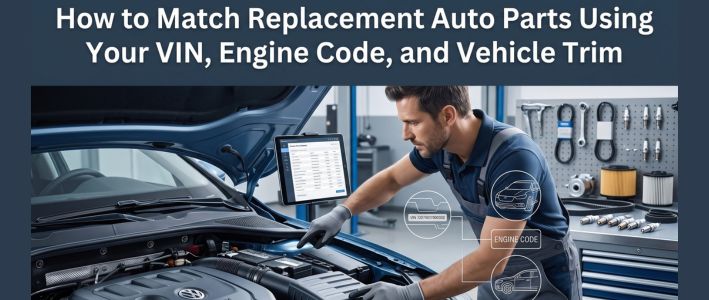
How to Match Replacement Auto Parts Using Your VIN, Engine Code, and Vehicle Trim
Finding the correct replacement component for a vehicle can be more complicated than simply searching by make and model. A vehicle may have multiple engine options, transmission configurations, production changes, and trim levels that affect parts compatibility. Whether you are searching for a Used Engine or comparing used transmissions with warranty, using the vehicle identification number (VIN), engine code, and vehicle trim can make the identification process more accurate and help reduce compatibility problems.
Why Vehicle Identification Matters
Two vehicles with the same model name and model year may not necessarily use identical components. Manufacturers can offer different engines, transmissions, drivetrains, emissions systems, and equipment packages within the same model range.
This is why providing detailed vehicle information before ordering a replacement component is important. Accurate identification can help suppliers locate the appropriate part and reduce the possibility of receiving a component that does not match the vehicle. The three useful pieces of information to start with are the VIN, engine code, and vehicle trim.
Understanding the VIN
The Vehicle Identification Number, commonly called the VIN, is a unique identification sequence assigned to an individual vehicle. It can provide information about the vehicle’s manufacturer, model-related details, production information, and other identification characteristics.
The VIN is usually found on the driver’s side dashboard near the windshield or on the driver’s side door jamb. It may also appear on vehicle registration documents and insurance paperwork.
When contacting an auto parts supplier, providing the complete VIN can help narrow down the correct vehicle configuration. This is particularly useful when several versions of the same model were produced during a particular year.
Why the Engine Code Matters
The engine code identifies a specific engine family or configuration. Vehicles that share the same model and year can sometimes be equipped with different engines, making the engine code an important part of the identification process.
The engine code may be found on the engine itself, vehicle documentation, service records, or manufacturer-related information. Its exact location can vary depending on the vehicle.
When purchasing a Used Engine, matching the engine code can help determine whether the replacement unit belongs to the correct engine family. Buyers should also confirm other specifications because an engine from the same family may still have differences depending on the vehicle application.
Understanding Vehicle Trim
Vehicle trim refers to a particular equipment and configuration level offered by the manufacturer. Different trims can include different features, drivetrain options, braking systems, electronics, and other components.
For example, two versions of the same vehicle may share the same body style but have different engines, transmissions, suspension components, or electronic equipment. Knowing the exact trim can therefore provide another useful reference when identifying replacement parts.
Combining VIN, Engine Code, and Trim
Using these details together provides a more complete picture of the vehicle than relying on a single piece of information. A typical parts-matching process may involve:
- Start with the VIN: Provide the complete vehicle identification number.
- Confirm the engine code: Verify the exact engine configuration.
- Identify the trim: Confirm the vehicle’s equipment and drivetrain level.
- Check production details: Look for differences within the same model year.
- Verify the part number: Compare the replacement component with available specifications.
- Confirm compatibility: Ask the supplier to verify the part for the specific vehicle.
This approach can be particularly useful for major components where compatibility is critical.
Matching a Replacement Transmission
Transmission identification requires similar attention to detail. Automatic and manual transmissions can have different configurations, gear ratios, control systems, mounting arrangements, and compatibility requirements.
If you are looking for used transmissions with warranty, provide the supplier with as much vehicle information as possible. The VIN, engine configuration, transmission type, drivetrain, and vehicle trim can all help determine the appropriate replacement.
It is also worth asking whether the transmission comes with a specific identification number or part number that can be verified against the vehicle application.
Why Part Numbers Still Matter
VIN information is extremely useful, but it should not always be the only reference used when ordering a replacement component. Part numbers, casting numbers, engine codes, transmission codes, and manufacturer specifications can provide additional confirmation.
A supplier may use several of these identifiers to verify compatibility before an order is completed. This extra step can be especially valuable for components that have multiple versions or underwent design changes during a production cycle.
Avoid Guessing Based on Appearance
A replacement component may look nearly identical to the original part but still have important differences. Connectors, mounting points, sensors, wiring, internal components, and software compatibility can vary.
For major components such as engines and transmissions, assuming that a part will fit simply because it comes from the same model can create unnecessary installation problems. Instead, use the available identification information and have the supplier confirm compatibility before purchasing.
Questions to Ask Before Ordering
Before purchasing a replacement component, buyers can ask several practical questions:
- Does the part match my VIN?
- Is the engine or transmission code compatible?
- Does the component match my vehicle’s trim and drivetrain?
- Is the listed mileage documented?
- Has the component been inspected or tested?
- Are required accessories included?
- What is the warranty period?
- What conditions apply to the warranty?
Getting clear answers before ordering can help buyers understand exactly what they are purchasing.
Make Parts Matching More Accurate
Matching replacement auto parts does not have to rely on guesswork. Using the VIN, engine code, vehicle trim, part number, and drivetrain information together can provide a stronger basis for identifying compatible components.
Whether you are purchasing a Used Engine or researching used transmissions with warranty, accurate vehicle information should be one of the first steps in the process. Taking a few minutes to verify these details can help reduce compatibility issues, installation delays, and unexpected costs.
A careful parts-matching process gives vehicle owners and repair professionals more information before making a purchase and helps ensure that the replacement component is suited to the vehicle it is intended for.