
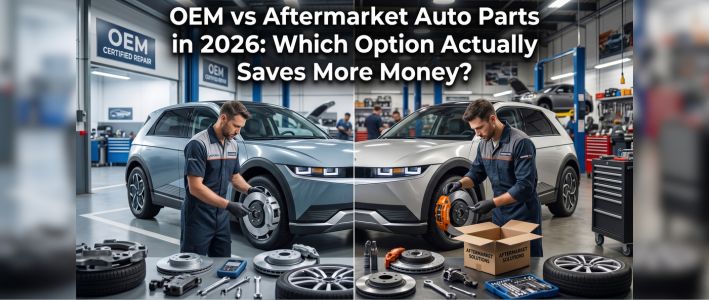
OEM vs Aftermarket Auto Parts in 2026: Which Option Actually Saves More Money?
Vehicle repair costs continue rising rapidly in 2026, making many drivers more careful about how they maintain and repair their cars. Whether dealing with engine problems, transmission failures, suspension repairs, or body damage, one major decision every vehicle owner faces is choosing between OEM and aftermarket auto parts.
Some drivers prefer OEM components for reliability and factory compatibility, while others choose aftermarket parts because of lower prices and wider availability. At the same time, growing demand for quality used engines and affordable used engines for sale is also changing how drivers approach major vehicle repairs.
So which option actually saves more money in 2026?
The answer depends on factors such as vehicle age, repair type, budget, and long-term reliability expectations. This guide explains the key differences between OEM and aftermarket auto parts, their advantages and disadvantages, and how smart drivers are making cost-effective repair decisions today.
What Are OEM Auto Parts?
OEM stands for Original Equipment Manufacturer.
OEM parts are:
- Made by the vehicle’s original manufacturer
- Designed specifically for a particular make and model
- Built to factory specifications
For example, if a Toyota vehicle needs a replacement alternator, an OEM alternator is produced according to Toyota’s original engineering standards.
OEM parts are commonly sold through:
- Dealerships
- Authorized suppliers
- Certified distributors
What Are Aftermarket Auto Parts?
Aftermarket parts are produced by third-party manufacturers instead of the original vehicle maker.
These parts are designed to:
- Replace factory components
- Offer lower-cost alternatives
- Provide performance upgrades in some cases
Aftermarket manufacturers create parts for many vehicle brands and models, often at lower prices than OEM components.
Why Auto Part Costs Are Rising in 2026
Several factors are driving higher automotive repair expenses:
- Inflation
- Supply chain disruptions
- Advanced vehicle technology
- Increased labor costs
- Semiconductor shortages
- EV and hybrid integration
Because modern vehicles contain more electronics and specialized components, replacement parts have become significantly more expensive.
As a result, drivers are exploring every possible option to reduce repair costs.
Advantages of OEM Parts
OEM parts remain popular because they provide:
- Exact factory fit
- Reliable compatibility
- Consistent quality
- Easier installation
- Manufacturer-backed standards
Drivers often choose OEM parts for:
- Newer vehicles
- Warranty-covered repairs
- Critical engine components
- Advanced electronics
Using OEM parts also reduces the risk of compatibility issues.
Disadvantages of OEM Parts
Despite their reliability, OEM parts have some drawbacks.
Higher Prices
OEM components are usually more expensive than aftermarket alternatives.
Limited Availability
Some OEM parts may:
- Require special ordering
- Have long shipping delays
- Be difficult to find for older vehicles
Dealer Dependence
Many OEM parts are sold primarily through dealerships, which often increases pricing further.
Advantages of Aftermarket Parts
Aftermarket parts continue growing in popularity because they often provide:
- Lower purchase costs
- Wider availability
- More product choices
- Performance upgrade options
Some premium aftermarket brands even produce components that match or exceed OEM quality standards.
Disadvantages of Aftermarket Parts
Not all aftermarket parts offer the same reliability.
Common concerns include:
- Inconsistent quality
- Fitment problems
- Shorter lifespan
- Reduced compatibility
- Warranty concerns
Cheap aftermarket components may create additional repair problems later.
Why Quality Matters More Than Price
Choosing the cheapest part is not always the smartest financial decision.
Low-quality parts may:
- Fail prematurely
- Damage surrounding components
- Increase labor costs
- Require repeat repairs
This is especially true for:
- Engine systems
- Transmission components
- Electrical modules
Investing in reliable replacement parts often saves more money long term.
Growing Demand for Quality Used Engines
In 2026, many vehicle owners are also considering quality used engines as an affordable alternative to expensive new engine replacements.
A properly inspected used engine can:
- Restore vehicle performance
- Extend vehicle lifespan
- Reduce repair costs significantly
Used engines are especially popular for:
- Older vehicles
- High-mileage cars
- Out-of-warranty repairs
Why Used Engines for Sale Are Becoming More Popular
The market for used engines for sale continues growing rapidly due to:
- Rising new engine prices
- Vehicle shortages
- Expensive monthly car payments
- Supply chain delays
Many drivers now choose used engines because replacing an engine is often cheaper than purchasing another vehicle.
Reliable used engines sourced from trusted suppliers can provide years of dependable service.
OEM Used Parts vs Aftermarket Parts
An increasingly popular option in 2026 is OEM used parts.
These parts combine:
- Factory compatibility
- Lower costs
- Better fitment
Compared to low-quality aftermarket components, OEM recycled parts often provide superior long-term reliability.
For major repairs such as:
- Engines
- Transmissions
- Alternators
- Electronic modules
OEM used parts are becoming one of the best value options available.
Which Parts Should Be OEM?
Certain vehicle systems benefit more from OEM components.
Drivers often prefer OEM parts for:
- Engine sensors
- Transmission modules
- Safety systems
- Airbags
- Electronic control units
These systems require precise compatibility and calibration.
Which Parts Can Be Aftermarket?
Some aftermarket components perform very well, especially:
- Brake pads
- Filters
- Suspension parts
- Lighting upgrades
- Exterior accessories
Choosing reputable aftermarket brands is extremely important.
Labor Costs Change the Equation
In many repairs, labor costs are higher than the part itself.
If a cheap aftermarket component fails early, drivers may pay:
- Double labor costs
- Additional diagnostics
- More downtime
This is why durability often matters more than initial purchase price.
How Smart Drivers Save Money in 2026
Experienced vehicle owners are reducing repair costs by:
- Comparing OEM and aftermarket quality carefully
- Using tested OEM recycled parts
- Purchasing quality used engines
- Avoiding ultra-cheap replacement components
- Performing preventive maintenance regularly
A balanced repair strategy usually provides the best long-term savings.
Environmental Benefits of Used Auto Parts
Using recycled engines and OEM components also helps reduce:
- Manufacturing waste
- Landfill waste
- Energy consumption
The automotive recycling industry continues growing as sustainability becomes more important globally.
Technology Is Increasing Repair Complexity
Modern vehicles now rely heavily on:
- AI-assisted systems
- Sensors
- Hybrid components
- Advanced software integration
This makes compatibility increasingly important when selecting replacement parts.
Poor-quality components may trigger:
- Warning lights
- Performance issues
- Communication errors
Final Thoughts
In 2026, both OEM and aftermarket auto parts offer advantages depending on the repair situation, vehicle condition, and budget. OEM parts provide factory-level compatibility and reliability, while aftermarket components can reduce costs and increase availability.
At the same time, demand for quality used engines and affordable used engines for sale continues growing as drivers search for cost-effective ways to extend vehicle lifespan without overspending on repairs.
Ultimately, the smartest approach is focusing on long-term value, reliability, and compatibility rather than simply choosing the cheapest available option. By selecting high-quality parts and addressing repairs early, drivers can save significant money while keeping their vehicles running reliably for years to come.